
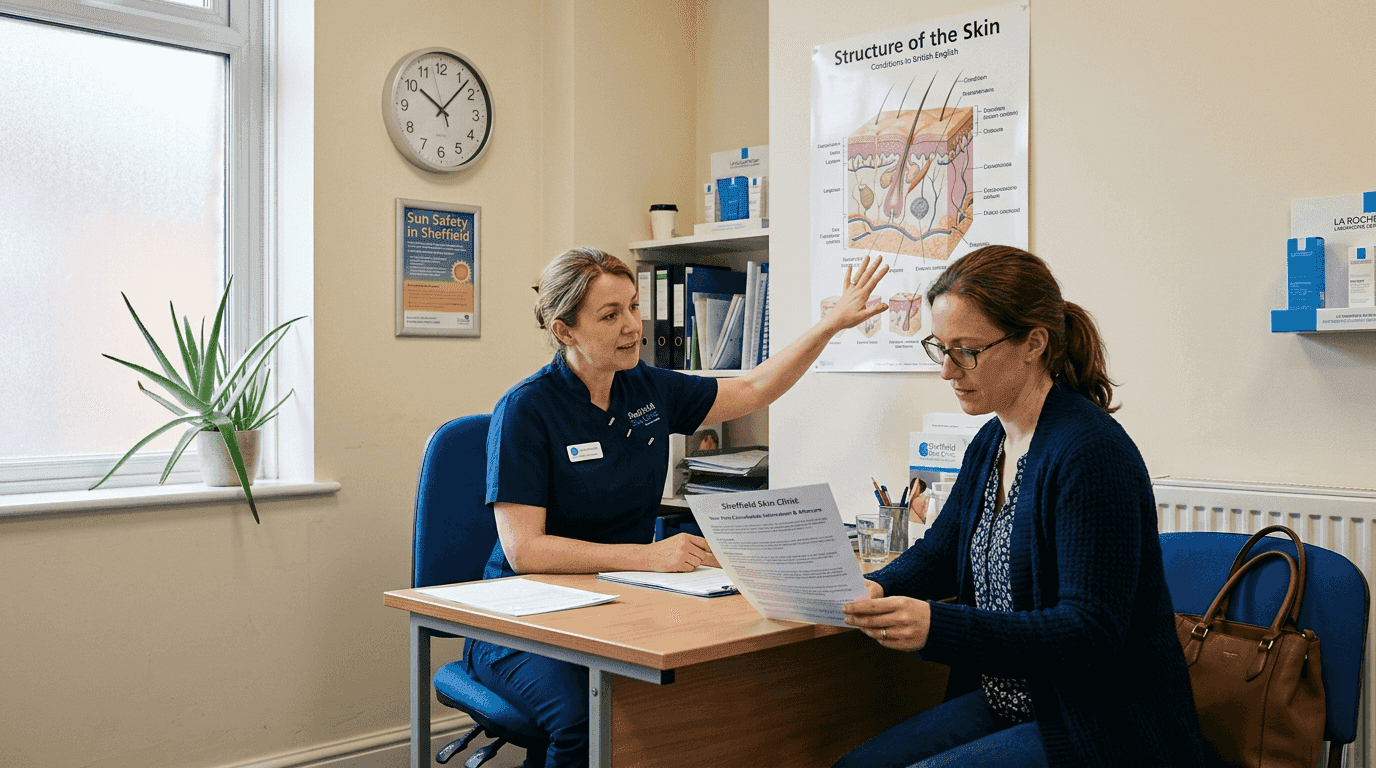
Laser treatments offer powerful solutions for skin rejuvenation, hair removal, and tattoo removal, but many people in Sheffield worry about preparing correctly to ensure safety and effectiveness. Poor preparation can lead to complications, reduced results, or unnecessary discomfort during your session. This guide walks you through essential steps to prepare your skin, manage risks, and approach your laser treatment with confidence, whether you're considering hair removal, tattoo removal, or skin rejuvenation at a trusted Sheffield clinic.
Table of Contents
- Understanding Your Skin Type And Medical Considerations
- Essential Pre-Treatment Steps To Prepare Your Skin
- Patch Testing And Managing Treatment Risks
- Day Of Treatment: Preparing For Your Laser Session
- Discover Professional Laser Treatments In Sheffield
- How To Prepare For Laser Treatment Faq
Key takeaways
| Point | Details |
|---|---|
| Skin type matters | Fitzpatrick skin type assessment identifies pigmentation risks and guides safe laser settings |
| Patch testing required | Essential for new patients and darker skin tones to prevent adverse reactions |
| Avoid active infections | Never proceed with laser treatment if you have eczema, herpes outbreaks, or skin infections |
| Hydration is critical | Drinking plenty of water supports skin resilience and healing before and after treatment |
| Medication disclosure | Share your full medication history, especially isotretinoin or photosensitising drugs |
Understanding your skin type and medical considerations
Your skin type determines how safely and effectively laser energy interacts with your tissue. The Fitzpatrick skin type assessment categorises skin into six types based on melanin content and sun sensitivity. Darker skin tones face higher risks of post-inflammatory hyperpigmentation because melanin absorbs laser energy intended for hair follicles or tattoo ink. Clinics use longer wavelengths and adjusted settings to protect darker skin whilst achieving results.
Medical history plays an equally vital role in treatment planning. If you've had herpes simplex virus outbreaks, especially around your mouth or eyes, you'll need antiviral prophylaxis before treatment in those areas. Recent isotretinoin use within six months increases skin fragility and delays healing, making laser treatment unsafe. Active eczema, psoriasis, or infections require postponing your session to avoid worsening inflammation or spreading bacteria.
Your practitioner at a skin rejuvenation Sheffield clinic will review these factors during consultation. Be thorough when disclosing:
- Current medications, including over-the-counter supplements
- History of keloid scarring or abnormal wound healing
- Recent cosmetic procedures like chemical peels or microdermabrasion
- Photosensitivity conditions or reactions to light-based treatments
- Pregnancy or hormonal changes affecting skin behaviour
Pro Tip: Bring a written list of medications and skin conditions to your consultation. This ensures nothing gets overlooked and helps your practitioner design a safe, personalised treatment plan.
Understanding these baseline factors prevents complications and sets realistic expectations. Your skin's unique characteristics dictate laser type, energy levels, and cooling protocols, making this assessment the foundation of successful treatment.
Essential pre-treatment steps to prepare your skin
Proper skin preparation in the weeks before your laser session maximises results and minimises risks. Sun exposure creates inflammation and increases melanin production, making your skin more vulnerable to burns and pigmentation changes. Avoid direct sunlight, tanning beds, and self-tanning products for at least two weeks before treatment. If outdoor exposure is unavoidable, apply broad-spectrum SPF 50 sunscreen and wear protective clothing.
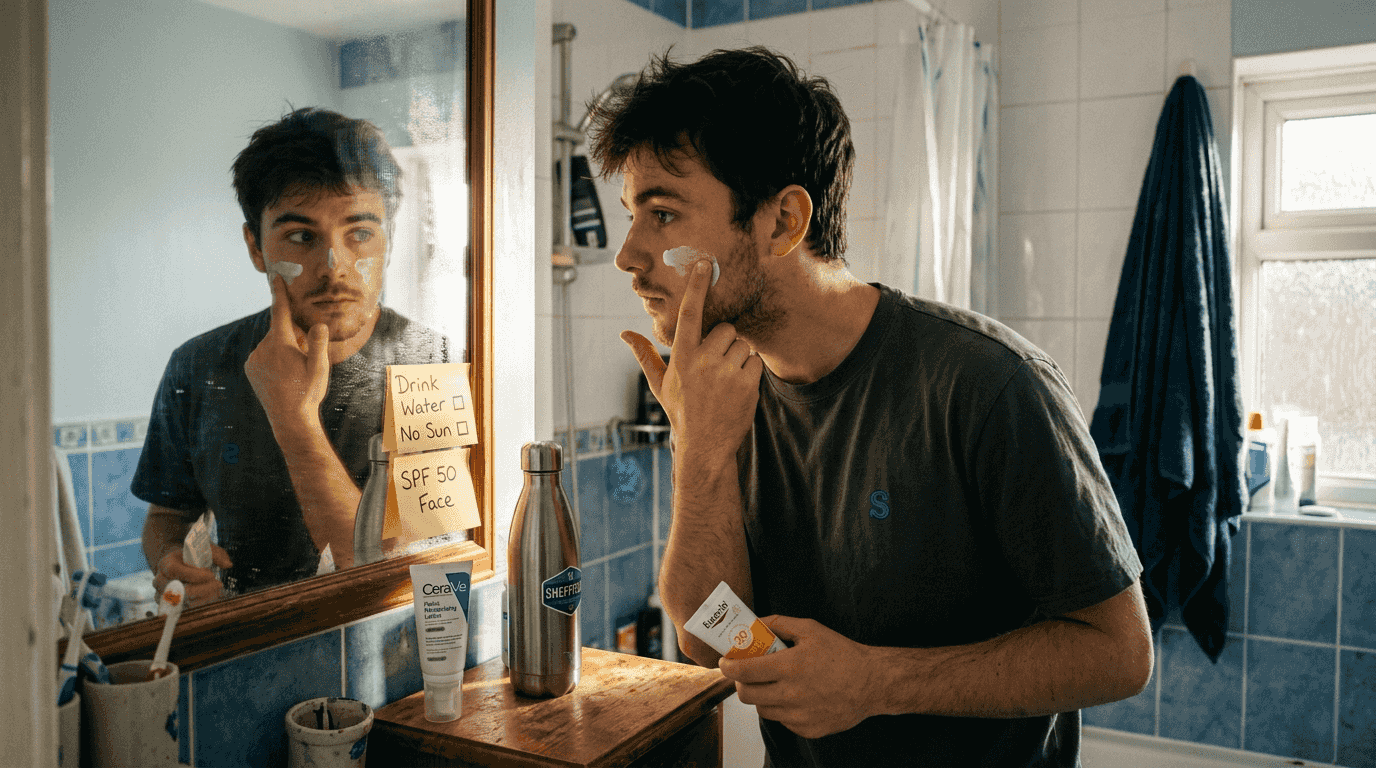
Skincare products containing retinoids, glycolic acid, salicylic acid, or benzoyl peroxide thin the skin's outer layer and increase sensitivity. Stop using these products one week before your appointment. Switch to gentle, fragrance-free cleansers and moisturisers that support your skin barrier without causing irritation. Hydrated skin responds better to laser energy and heals faster post-treatment.
For laser hair removal Sheffield sessions, hair follicles must remain intact beneath the skin surface. Follow these steps:
- Shave the treatment area 24 hours before your appointment using a clean razor
- Never wax, pluck, thread, or use depilatory creams for four weeks prior
- Avoid bleaching hair, as laser targets pigment in the follicle
- Keep the area clean and free from lotions or oils on treatment day
Systemic hydration supports skin resilience and healing capacity. Drink at least two litres of water daily in the week leading up to your session. Well-hydrated skin tolerates laser energy better and experiences less post-treatment dryness or flaking.
Pro Tip: Create a simple calendar reminder two weeks before your appointment to track sun avoidance, product changes, and hydration goals. This keeps preparation on track without last-minute stress.
These steps apply across all laser treatments, from skin rejuvenation Sheffield procedures to tattoo removal. Consistency matters more than perfection. Missing one day of sunscreen or hydration won't derail your treatment, but patterns of neglect increase risks and reduce effectiveness.
Patch testing and managing treatment risks
Patch testing identifies how your skin reacts to specific laser settings before committing to full treatment. Your practitioner applies laser energy to a small, discreet area and monitors for redness, swelling, blistering, or pigmentation changes over 24 to 48 hours. This step is especially critical for darker skin types and first-time laser patients, where unpredictable reactions could cause lasting damage.
New patients often underestimate their skin's sensitivity or overestimate their tolerance. Patch testing removes guesswork and allows practitioners to adjust energy levels, pulse duration, and cooling protocols based on real-world response. Sensitive areas like the face, neck, and bikini line warrant extra caution due to thinner skin and higher nerve density.
Herpes simplex virus poses specific risks during laser treatment near the mouth or eyes. The procedure's heat and inflammation can trigger outbreaks, leading to scarring or prolonged healing. Patients with a history of cold sores receive antiviral prophylaxis, typically starting one day before treatment and continuing for several days after. This simple precaution prevents painful complications.
Active skin conditions create immediate contraindications:
- Eczema flare-ups compromise the skin barrier and increase infection risk
- Bacterial or fungal infections spread through heat and trauma from laser energy
- Open wounds or recent scabs interfere with energy absorption and healing
- Sunburn creates pre-existing inflammation that compounds treatment damage
Pro Tip: Schedule your patch test at least one week before your planned full treatment. This timing allows adequate observation and gives you flexibility to reschedule if reactions occur.
Monitoring patch test results requires honest communication with your clinic. Report any unusual sensations, colour changes, or delayed reactions immediately. Some skin responses appear subtle at first but intensify over days. Your practitioner at an electrolysis hair removal Sheffield clinic can compare laser and non-laser options if patch testing reveals concerning reactions.
| Risk Factor | Mitigation Strategy | Timing |
|---|---|---|
| Darker skin tone | Longer wavelengths, lower energy, patch test | Pre-treatment assessment |
| HSV history | Antiviral prophylaxis | 1 day before to 3 days after |
| Active infection | Postpone treatment until resolved | Ongoing monitoring |
| Recent isotretinoin | Wait 6 months post-treatment | Medical history review |
"Patch testing transforms laser treatment from a gamble into a calculated, personalised procedure. The small investment of time protects your skin and your confidence in the outcome."
This proactive approach builds trust between you and your practitioner whilst safeguarding your skin's health. Never rush past patch testing to save time. The consequences of skipping this step far outweigh the minor inconvenience.
Day of treatment: preparing for your laser session
Your treatment day requires specific preparations to ensure comfort and optimal results. Start with thoroughly cleansed skin, free from makeup, moisturisers, perfumes, or deodorants in the treatment area. Residue on your skin interferes with laser energy absorption and increases the risk of burns or uneven results. Use a gentle, fragrance-free cleanser and pat dry with a clean towel.
Caffeine and alcohol affect your body's sensitivity and healing response. Both substances constrict blood vessels and dehydrate tissues, making skin more reactive to laser energy. Avoid coffee, energy drinks, and alcoholic beverages for at least 12 hours before your appointment. Instead, drink water or herbal tea to maintain systemic hydration and support circulation.
Clothing choices matter more than you might expect. Wear loose, comfortable garments that provide easy access to treatment areas without rubbing or irritating skin afterwards. For facial treatments, avoid turtlenecks or tight collars. For body treatments like laser hair removal Sheffield on legs or underarms, choose soft cotton that won't chafe freshly treated skin.
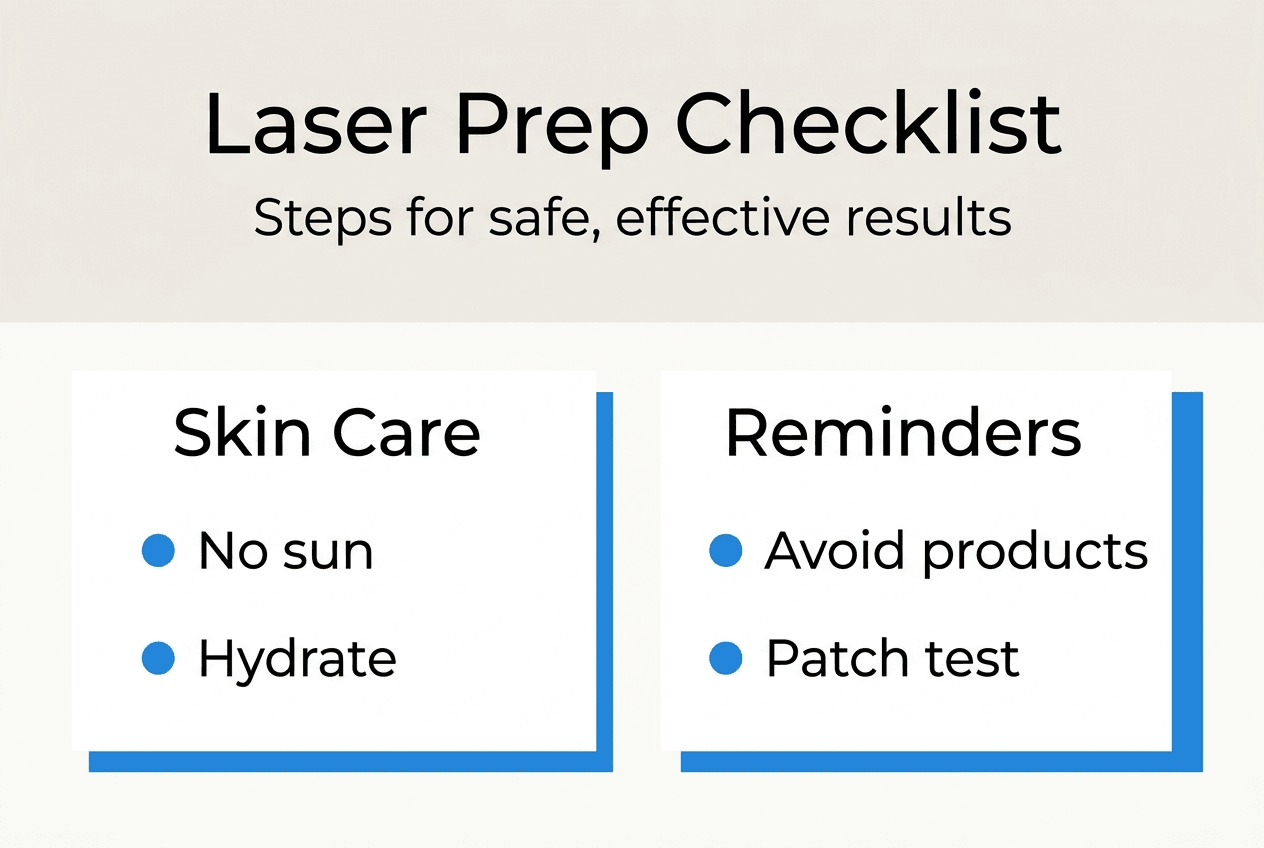
Follow this checklist before leaving home:
- Confirm you've avoided sun exposure for the required period
- Verify you've stopped using retinoids and acids as instructed
- Remove all jewellery, piercings, or metal objects near the treatment area
- Arrive with clean skin and no topical products applied
- Bring a list of any new medications or health changes since your consultation
- Plan for 30 to 60 minutes at the clinic, depending on treatment size
If you notice any skin irritation, unusual rashes, or feel unwell on treatment day, contact your clinic immediately. Proceeding with compromised skin or health increases complication risks significantly. Reputable clinics like those offering tattoo removal Sheffield services prioritise safety over schedule convenience.
Your practitioner will provide post-treatment care instructions before you leave. These typically include avoiding hot showers, saunas, and strenuous exercise for 24 to 48 hours. Sun protection becomes even more critical after treatment, as your skin remains vulnerable to UV damage during healing. Apply SPF 50 sunscreen daily and reapply every two hours if outdoors.
Expect some redness, mild swelling, or sensitivity immediately after treatment. These normal responses usually subside within hours to a few days. Contact your clinic if you experience severe pain, blistering, oozing, or signs of infection like increased warmth or pus. Early intervention prevents minor issues from becoming serious complications.
Pro Tip: Take before photos of your treatment area in good lighting. This helps you track progress objectively between sessions and provides valuable documentation if concerns arise.
Discover professional laser treatments in Sheffield
Now that you understand how to prepare effectively, finding a trusted clinic ensures your safety and results. SquareOne Laser Clinic specialises in advanced laser hair removal Sheffield, tattoo removal Sheffield, and skin rejuvenation Sheffield treatments using state-of-the-art technology with integrated cooling systems for comfort.
Their experienced practitioners conduct thorough skin type assessments and patch testing, particularly important for clients with darker skin tones or sensitive areas. Free consultations allow you to discuss your preparation needs, medical history, and treatment goals in a welcoming, hygienic environment. Personalised treatment plans address your unique skin characteristics whilst maintaining the highest safety standards. Book your consultation today to experience professional laser care tailored specifically for Sheffield residents seeking effective, non-invasive cosmetic enhancements.
How to prepare for laser treatment FAQ
How long before laser treatment should I avoid sun exposure?
Avoid direct sun exposure, tanning beds, and self-tanning products for at least two weeks before your laser session. Tanned or sunburned skin contains elevated melanin levels that increase the risk of burns, blistering, and pigmentation changes during treatment.
Is patch testing necessary for all laser treatments?
Patch testing is strongly recommended for first-time laser patients, individuals with darker skin tones, and anyone treating sensitive areas like the face. It identifies potential adverse reactions and allows practitioners to adjust settings safely before full treatment.
What medications should I disclose before laser treatment?
Inform your practitioner about all medications, including isotretinoin, antibiotics, anti-inflammatory drugs, and herbal supplements. Photosensitising medications and recent isotretinoin use within six months create significant safety concerns that may require postponing treatment.
Why is hydration important before laser treatment?
Systemic hydration supports skin resilience, improves healing capacity, and helps your body regulate temperature during laser exposure. Drink at least two litres of water daily in the week before treatment to optimise your skin's response and recovery.
Can I proceed with laser treatment if I have a minor skin irritation?
No, active infections, eczema flare-ups, cold sores, or any broken skin require postponing treatment. Laser energy on compromised skin increases infection risk, worsens inflammation, and interferes with healing. Reschedule once your skin has fully recovered.
What should I do immediately after my laser treatment?
Avoid hot showers, saunas, swimming pools, and strenuous exercise for 24 to 48 hours post-treatment. Apply broad-spectrum SPF 50 sunscreen daily, even indoors, and use gentle, fragrance-free moisturisers to support healing. Contact your clinic immediately if you notice severe pain, blistering, or signs of infection.